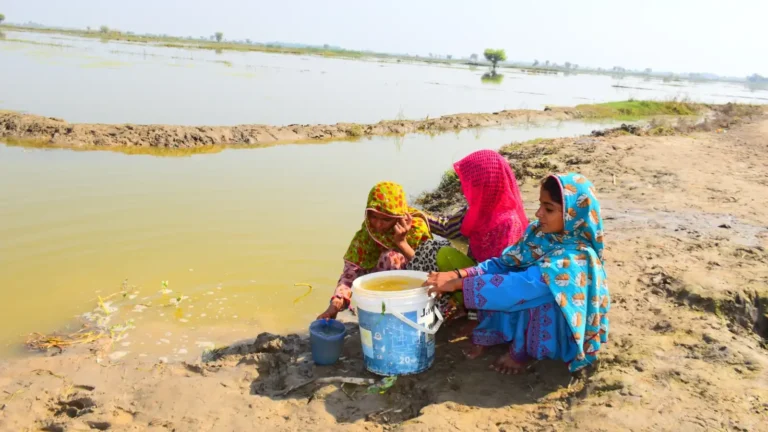
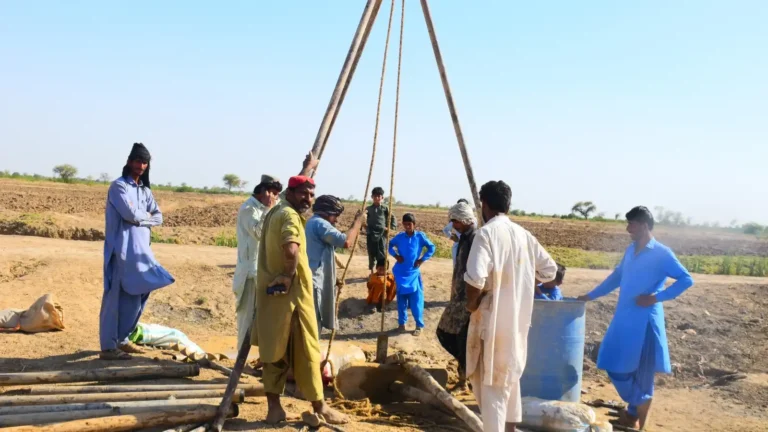
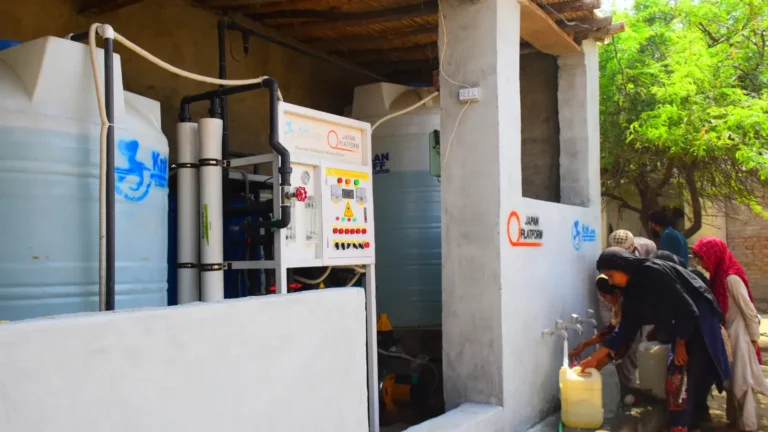
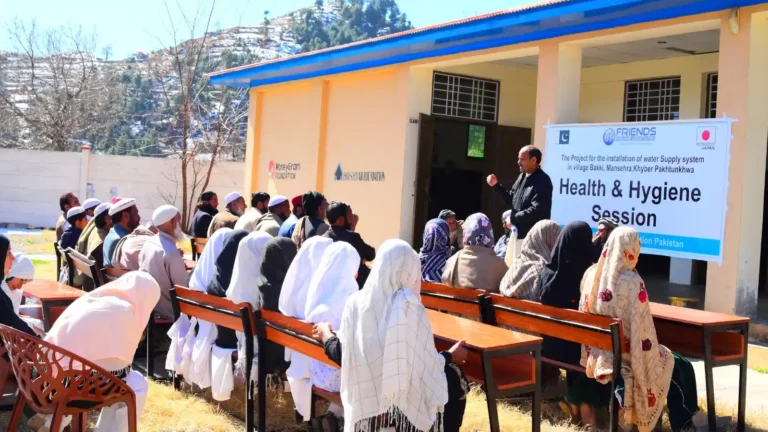
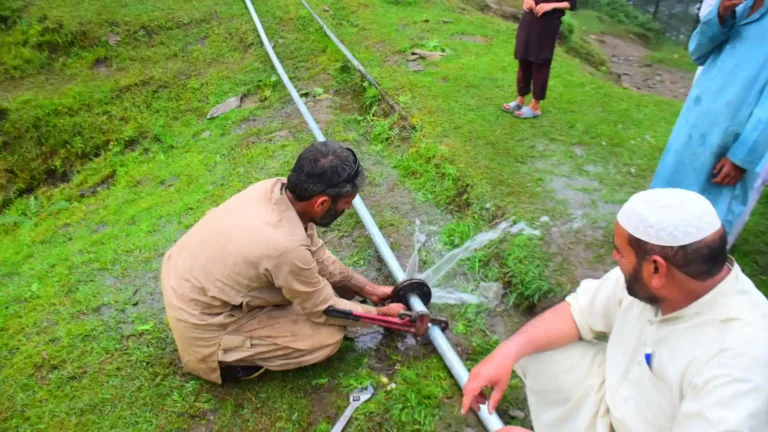
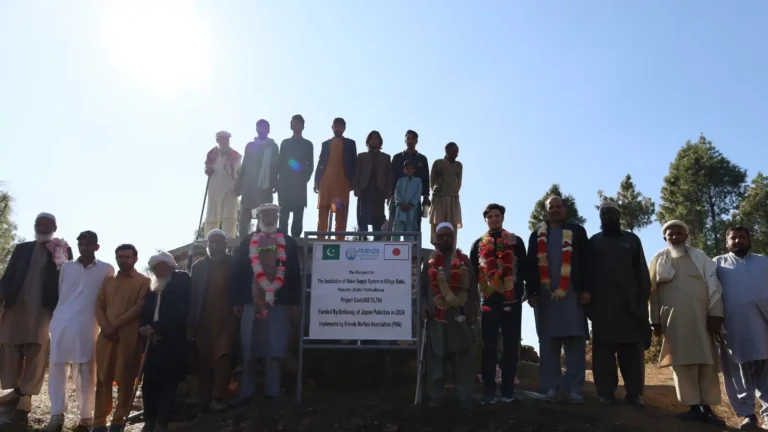
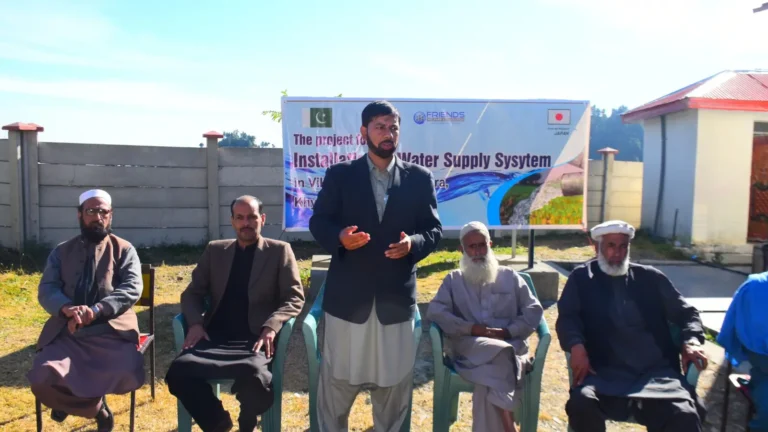
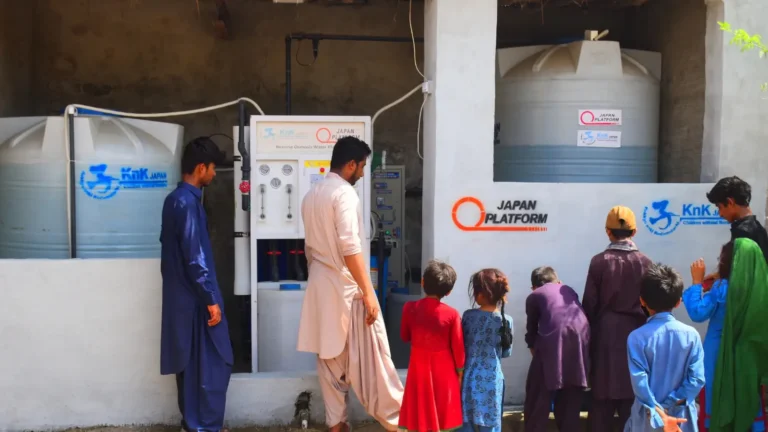
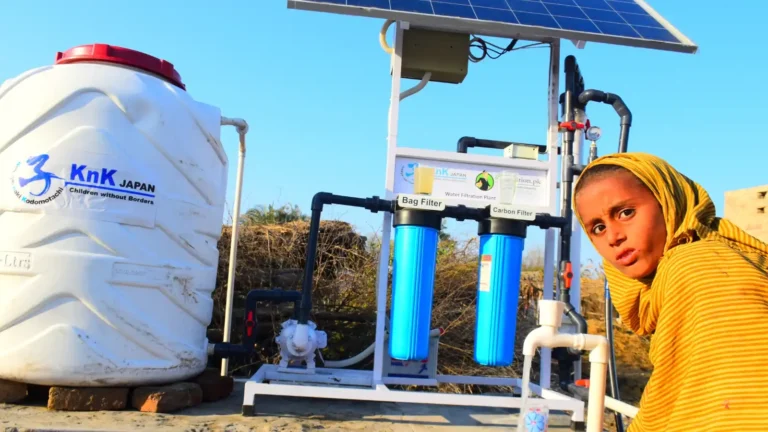
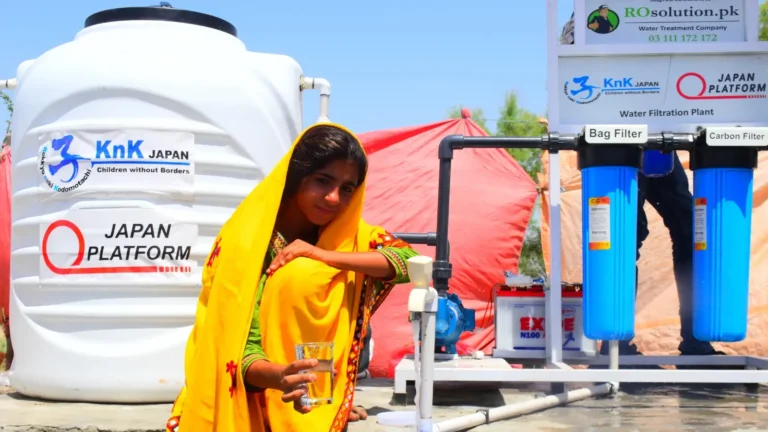
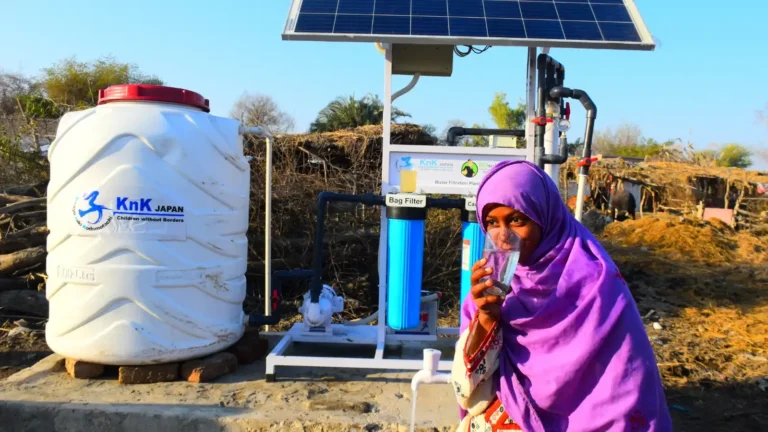
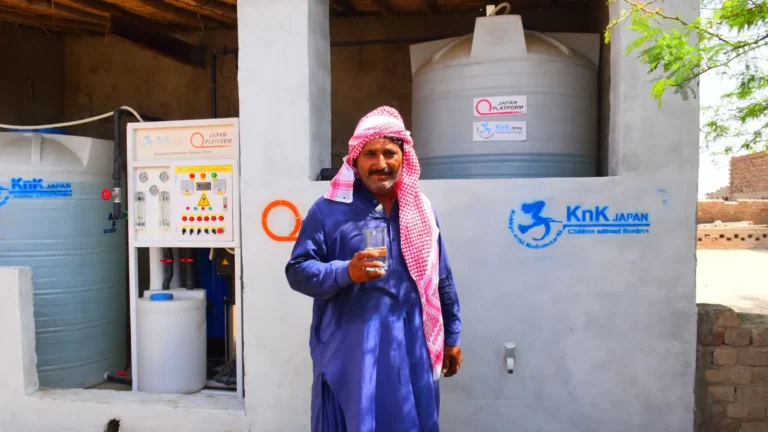
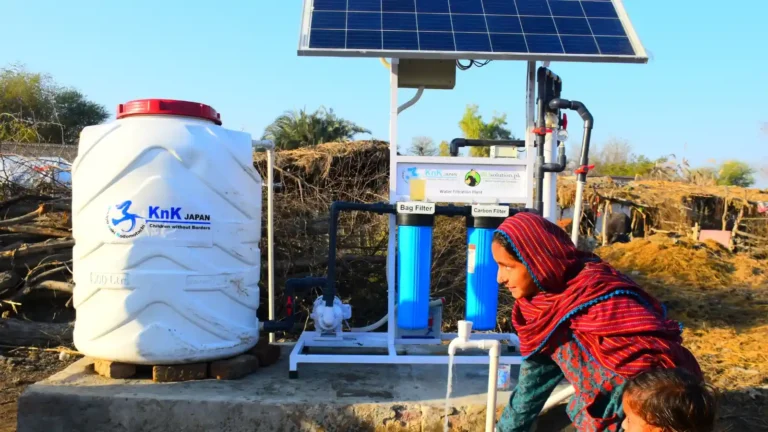
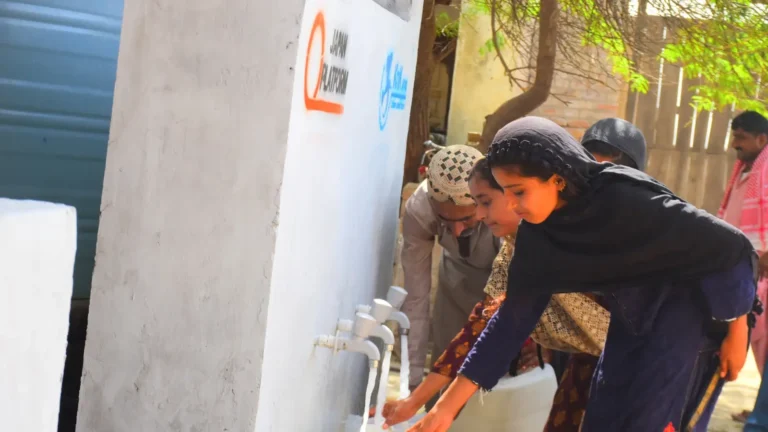
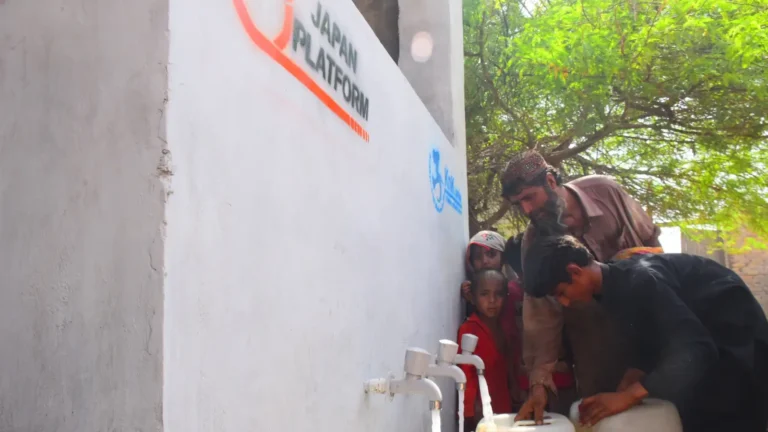
Access to safe water, sanitation, and hygiene (WASH) remains a critical challenge in Pakistan, particularly in remote and rural communities. Limited clean & drinking water infrastructure, inadequate sanitation facilities, and low awareness of hygiene practices increase health risks, disrupt children’s education, and constrain livelihoods. FWA addresses these challenges through a comprehensive and integrated approach that combines climate-responsive and nature-based infrastructure solutions with community engagement and behavior change initiatives, ensuring both immediate impact and long-term sustainability. FWA has implemented clean drinking water projects in rural areas of Khyber Pakhtunkhwa, focusing on gravity flow water supply schemes and bore wells. In over 200 schools built or rehabilitated by FWA, clean water access has been ensured. Additionally, after the 2022 floods, FWA installed Ultra-Filtration and Reverse Osmosis (RO) plants in Sindh and Baluchistan, benefiting 30,000 people by providing them with safe drinking water.
Clean Drinking Water Projects
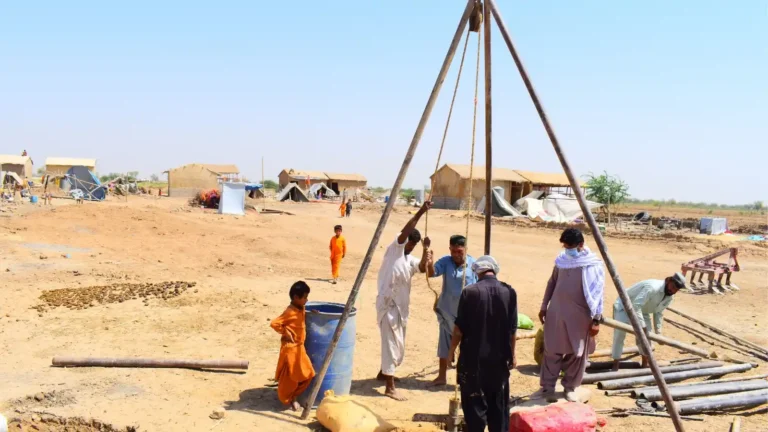
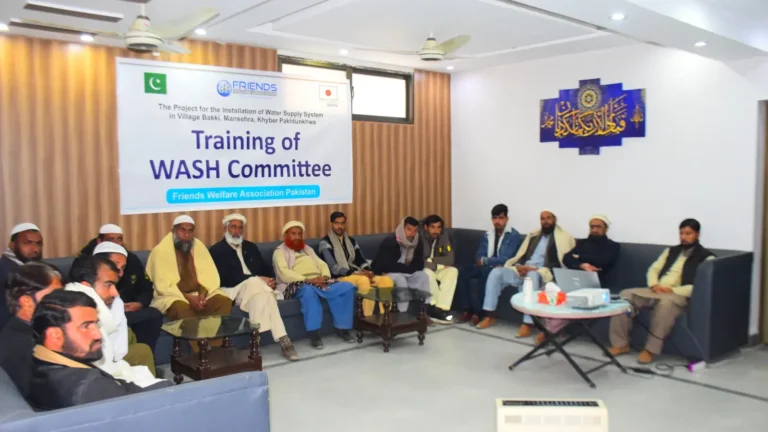
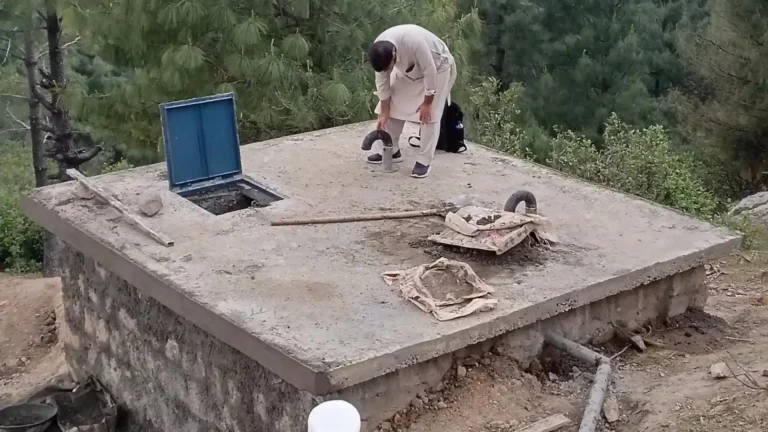
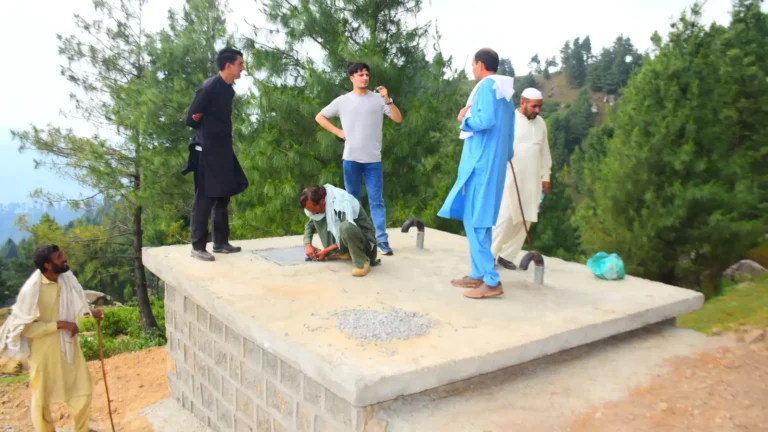
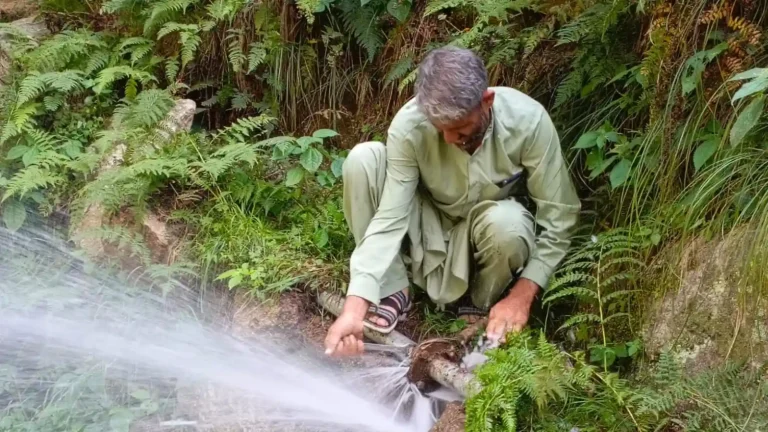
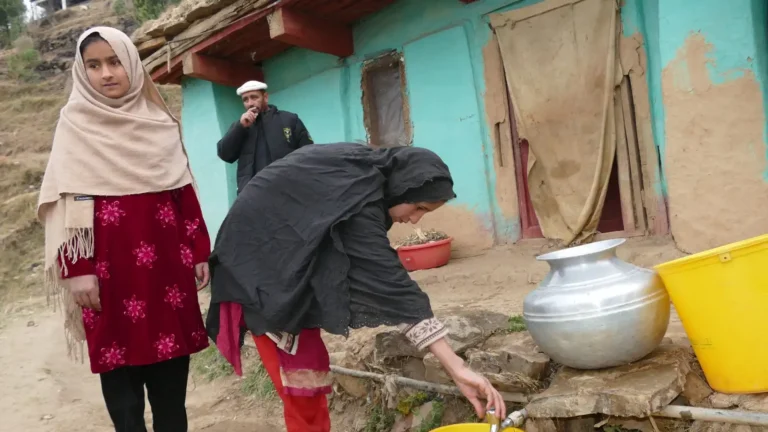
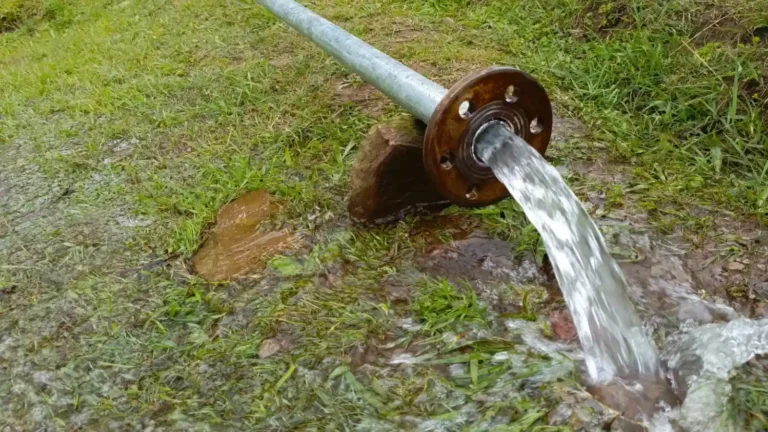
FWA continues to expand access to safe and reliable drinking water for marginalized communities across Pakistan through strong partnerships and community engagement. Its WASH interventions focus on gravity-fed water supply schemes, boreholes, and wells, particularly in rural and mountainous areas of Khyber Pakhtunkhwa, ensuring sustainability, climate responsive and local ownership through trained community WASH committees.
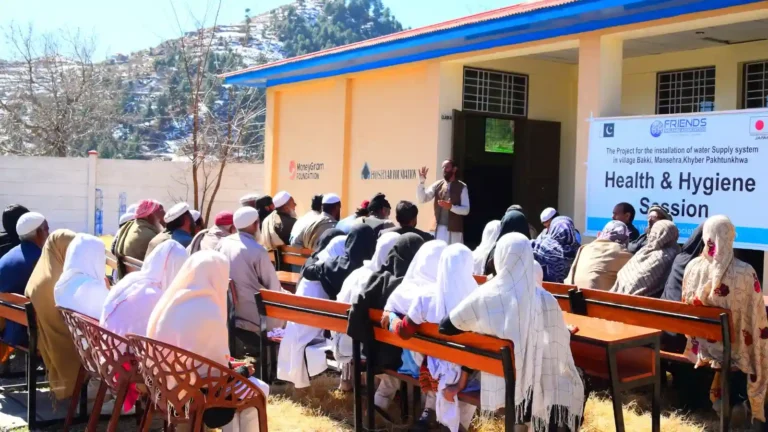
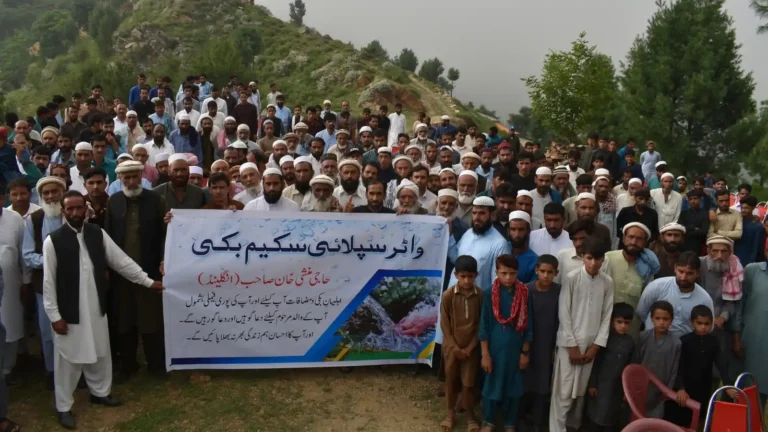
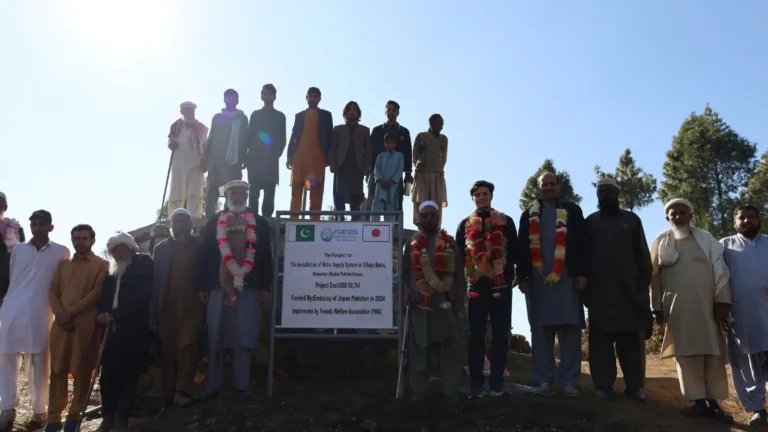
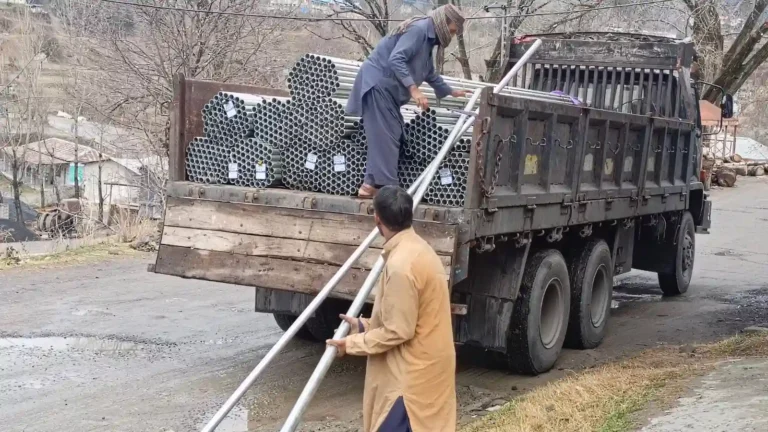
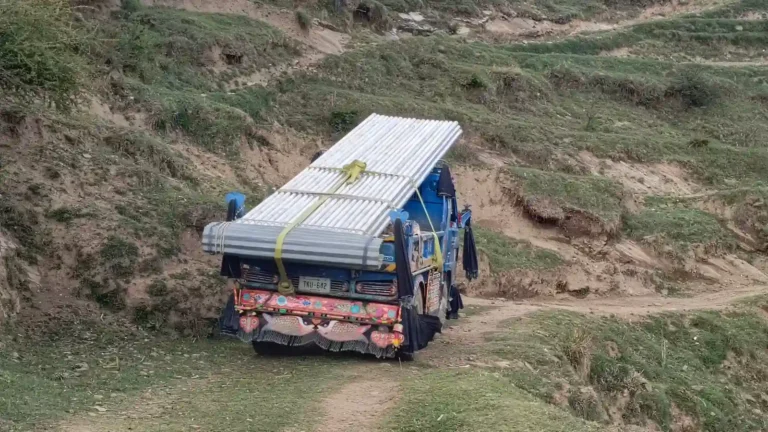
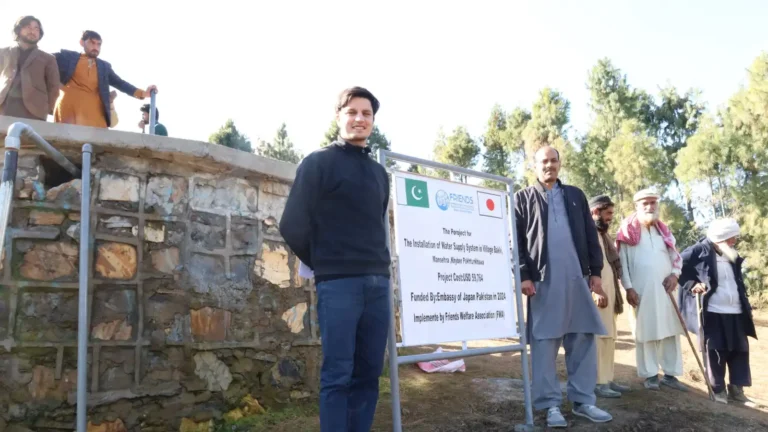
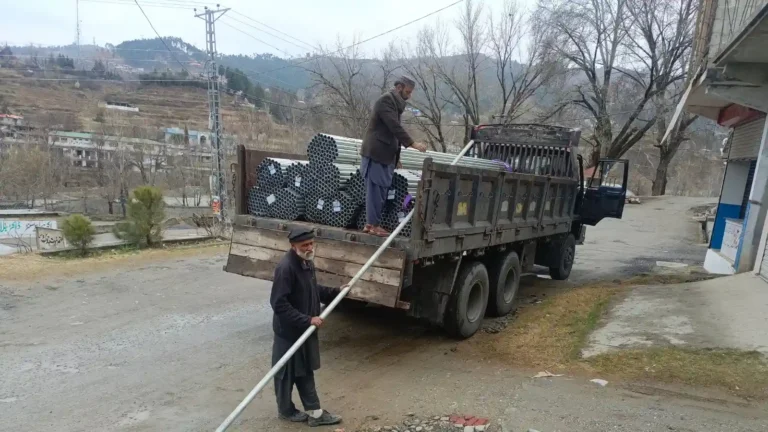
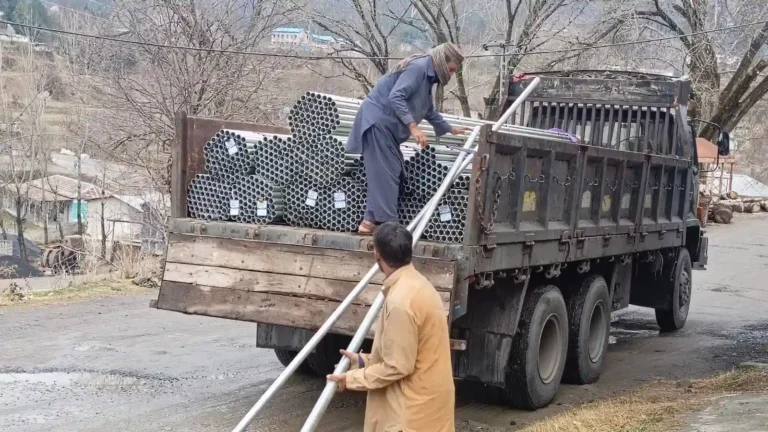
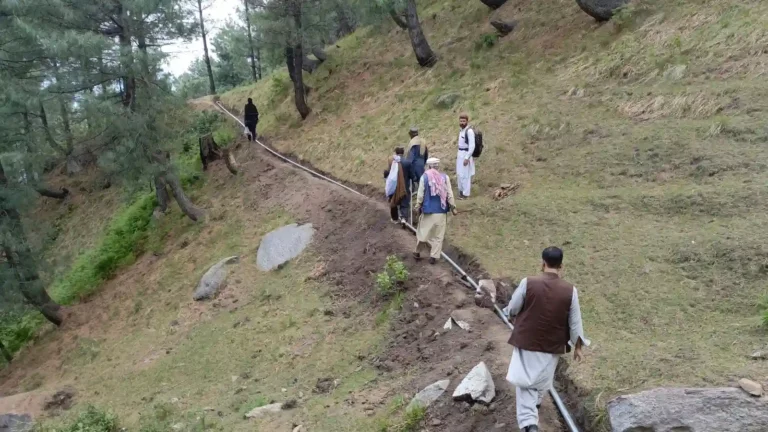
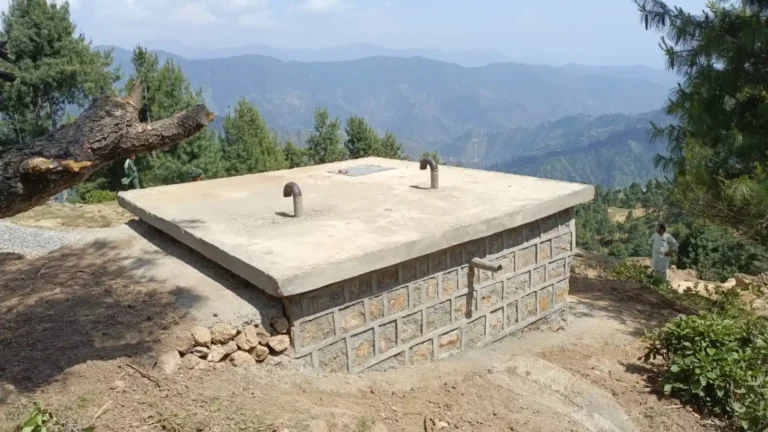
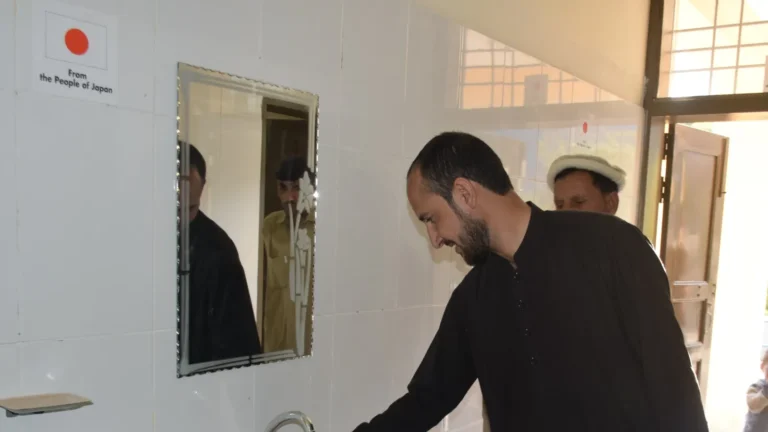
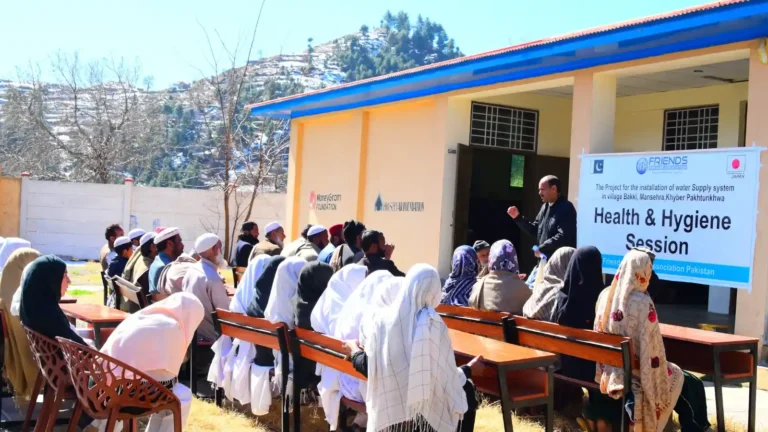
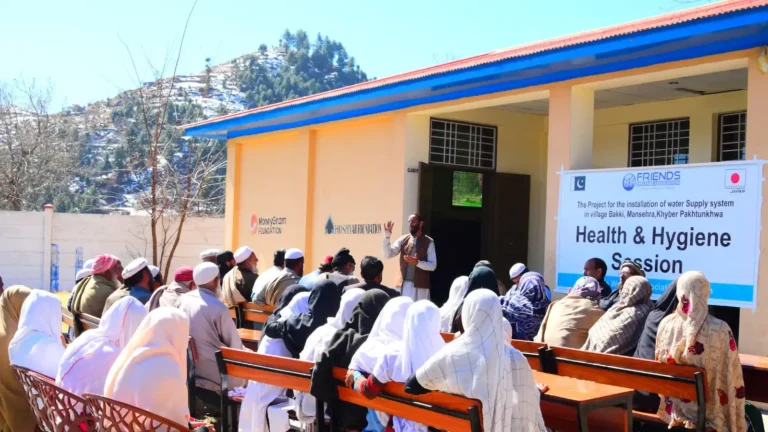
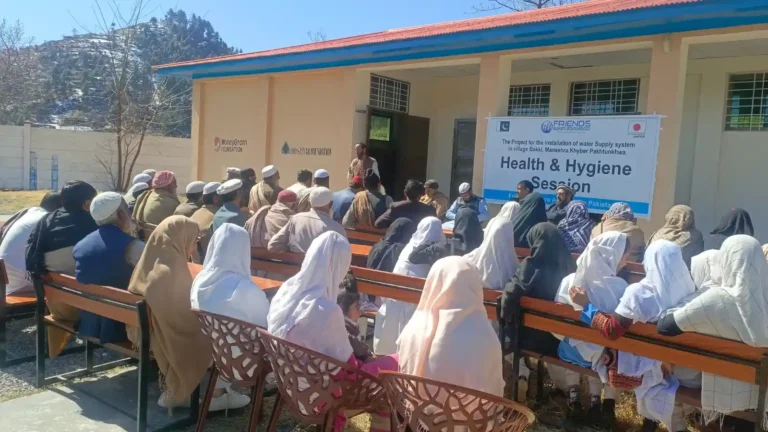
Under these efforts, with funding from the Embassy of Japan through the Grant Assistance for Grassroots Projects (GGP) Program, FWA implemented climate-responsive, gravity-fed water supply schemes in Village Council Bakki. The intervention restored access to safe drinking water for 6,000 people through the construction of intake tanks, installation of a 6,328-meter GI pipeline, and the establishment of community-managed operations based on nature-based solutions and sustainability principles.
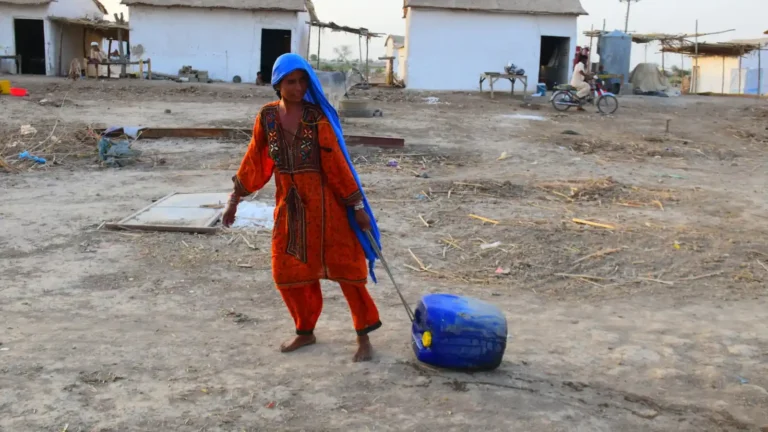
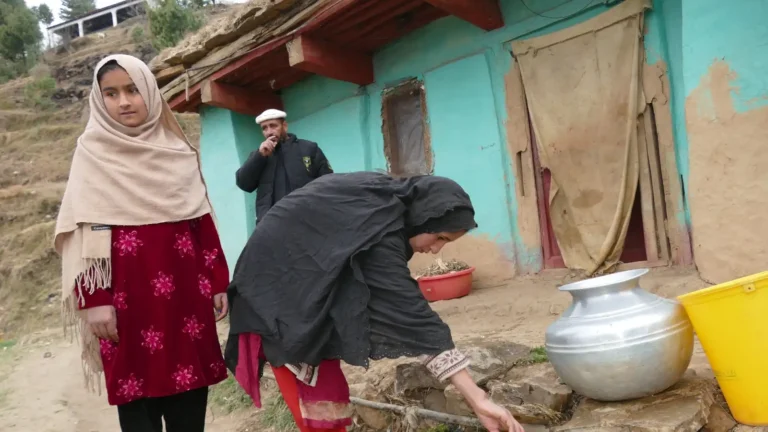
In parallel, FWA has ensured clean drinking water in over 200 schools and installed ultra-filtration and RO plants in Sindh and Baluchistan, including flood-affected areas. Collectively, these initiatives improve health, reduce women’s burden, and strengthen resilient community WASH systems.
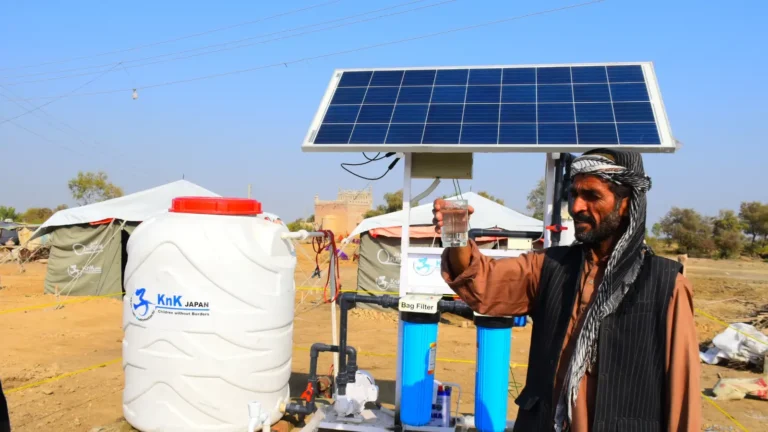
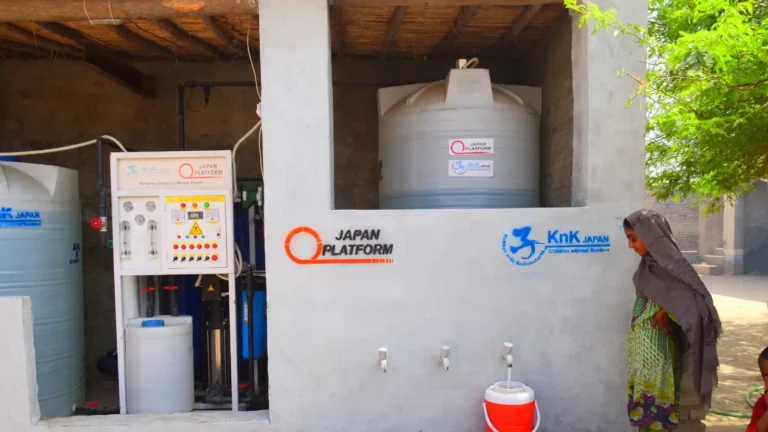
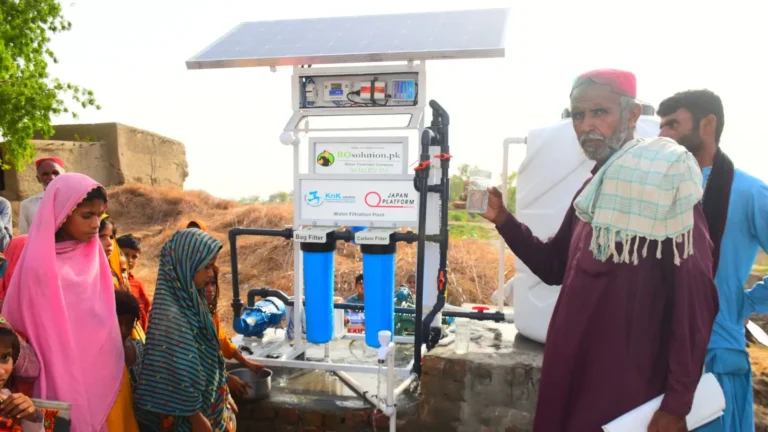
Ultra-Filtration & RO Plants
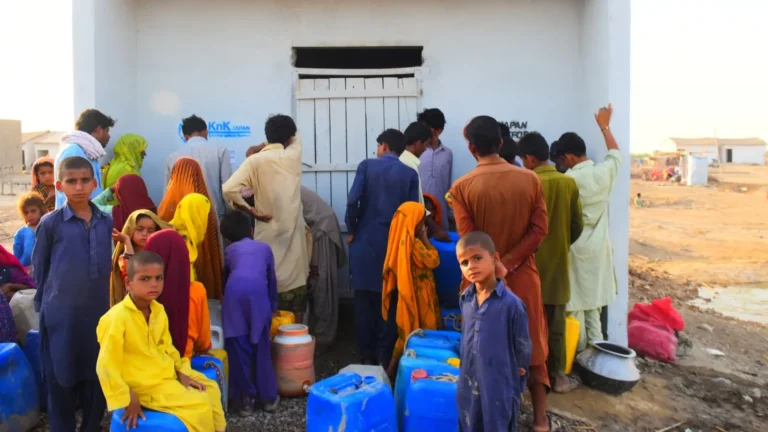
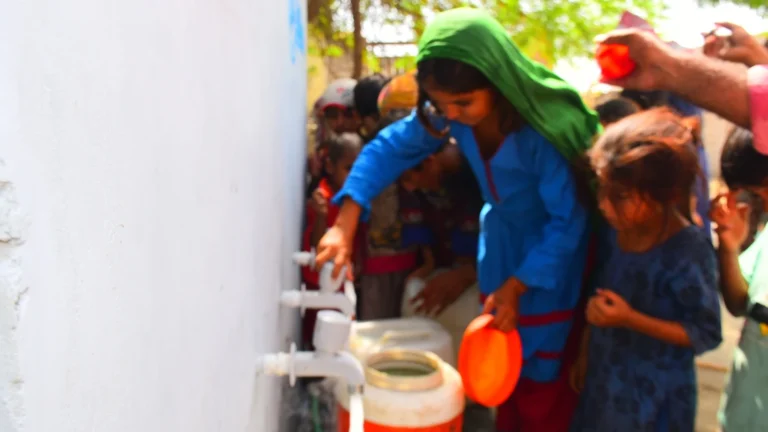
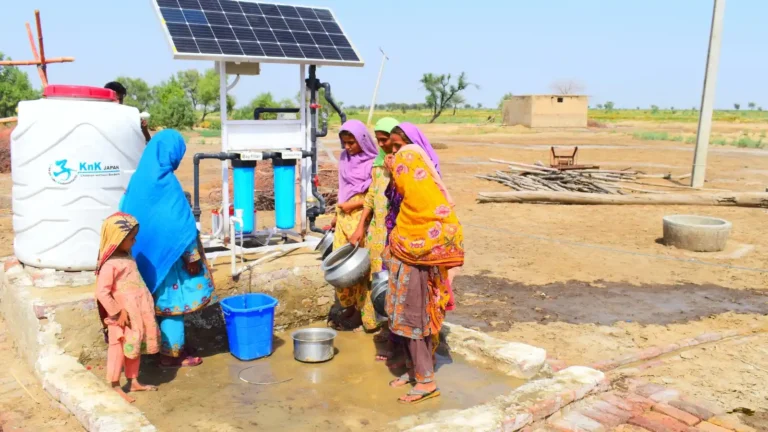
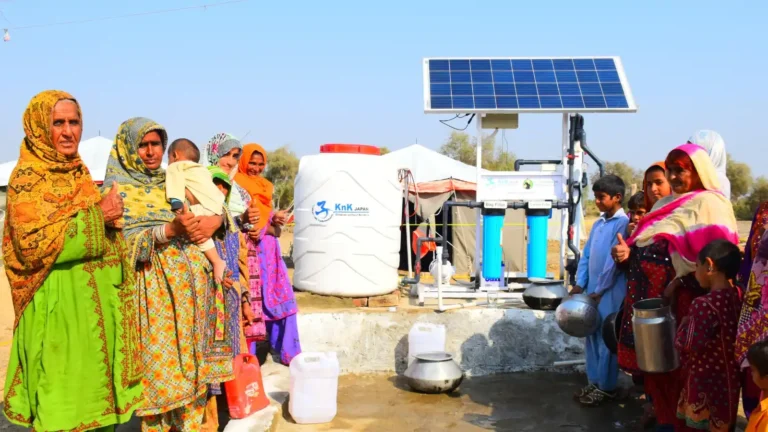
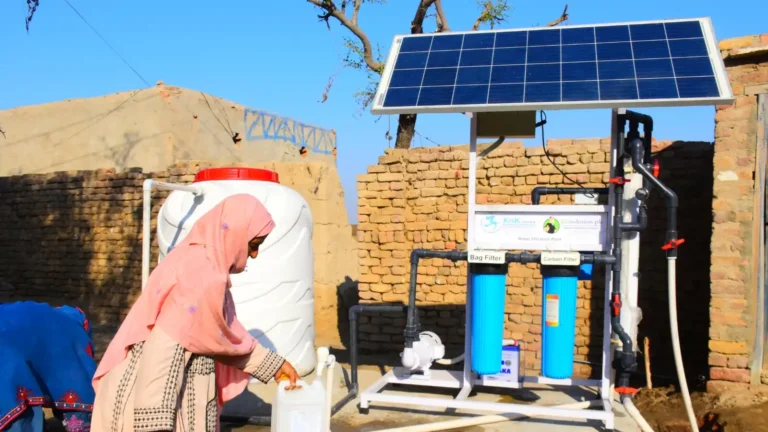
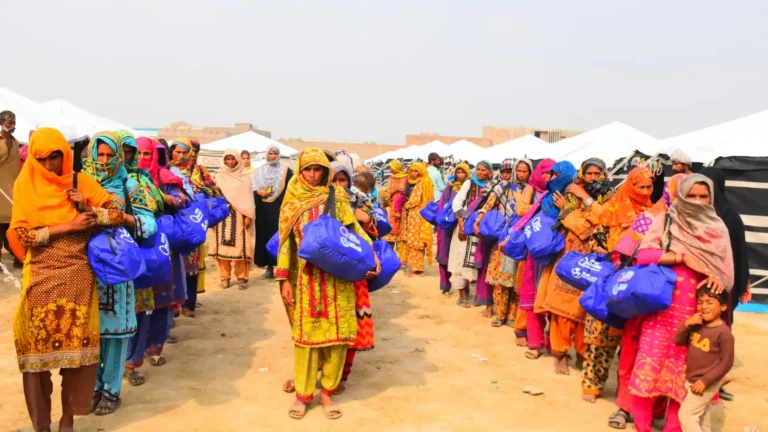
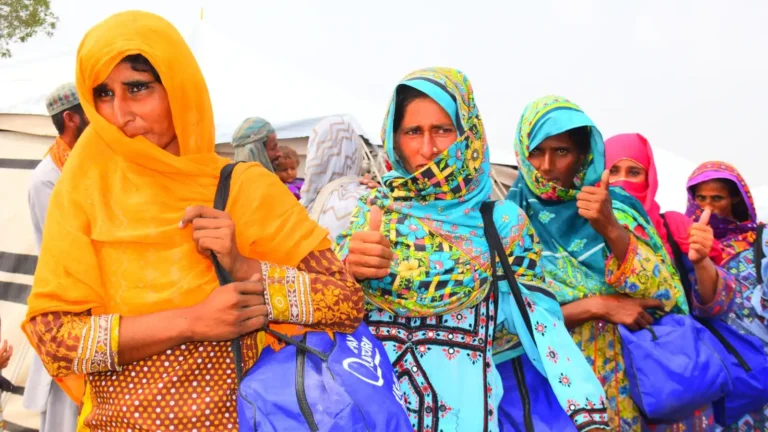
In response to the 2022 floods in Sindh and Baluchistan, FWA, supported by KnK Japan & JPF, installed 18 filtration plants. These plants, located in Jacobabad, Qambar Shadad Kot, Jaffarabad, Usta Muhammad, and Sohbatpur, have provided clean water to 10,000 people, significantly improving their health and well-being.
WASH in Schools
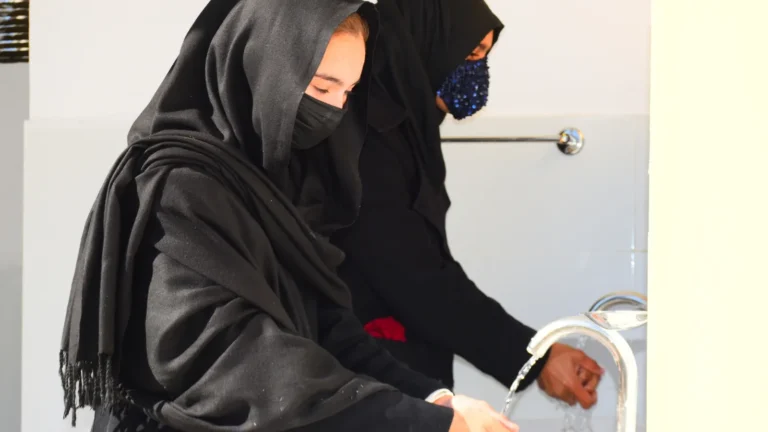
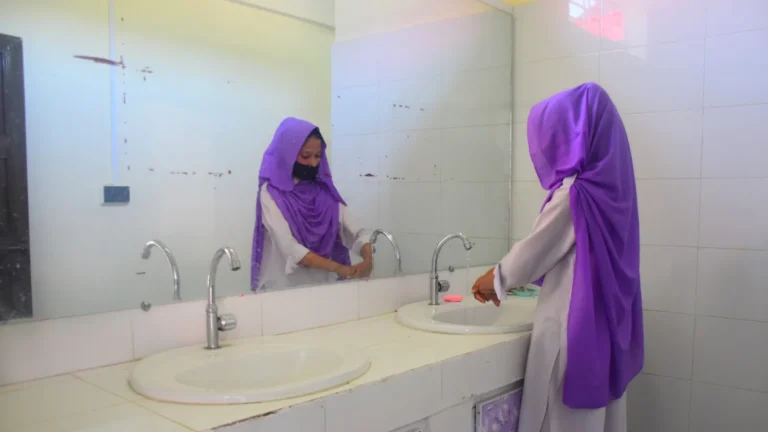
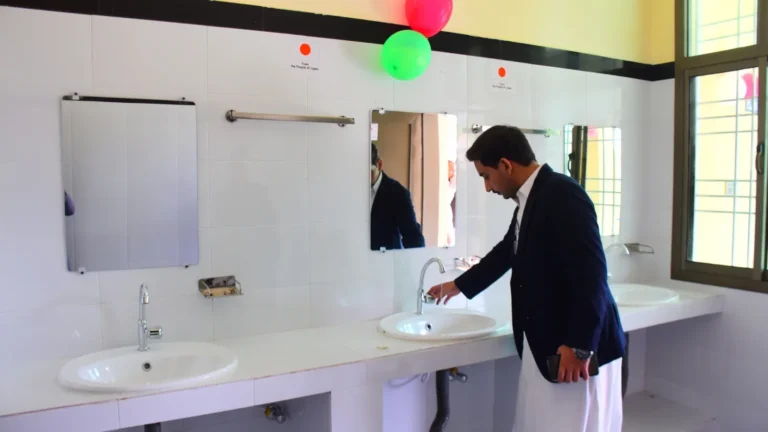
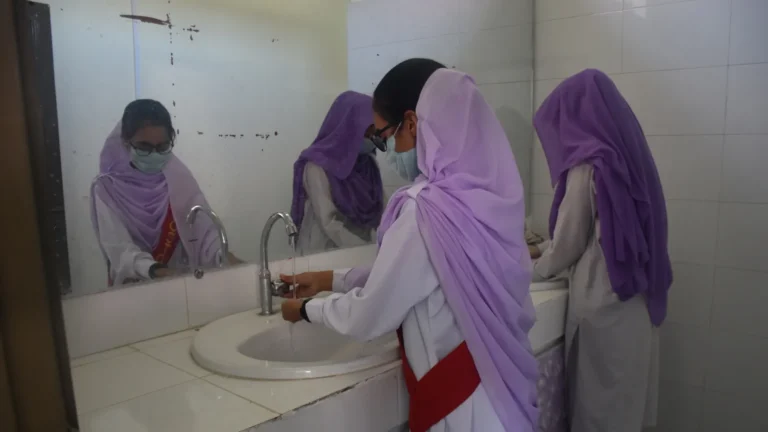
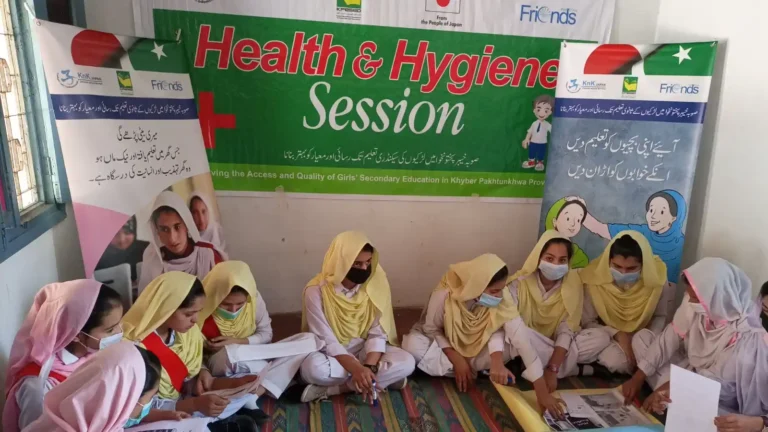
FWA’s “WASH in Schools” initiative improves hygiene practices, boosts student attendance, and promotes gender equality. Over 250 schools have been equipped with WASH facilities, benefiting 45,000 students. Special amenities such as Girls’ Friendly Toilets, Teachers' Friendly Toilets, and accessible facilities for those with physical disabilities have also been provided, creating healthier and more inclusive school environments.
Community-Led WASH Program
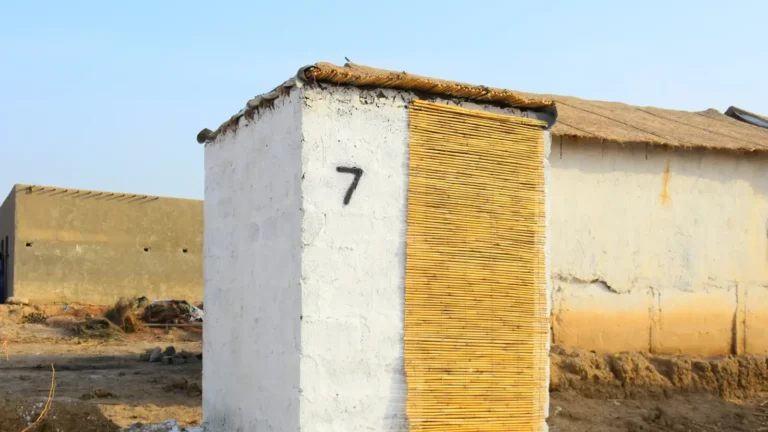
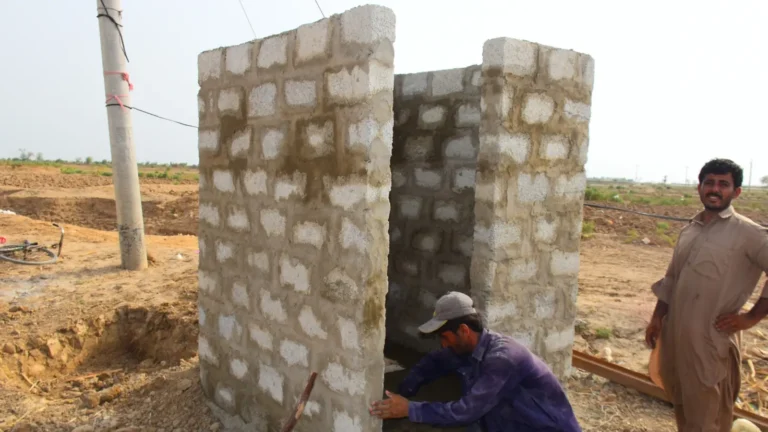
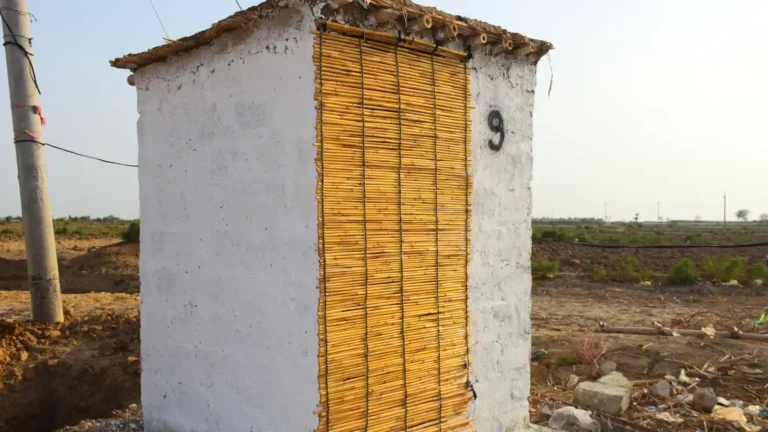
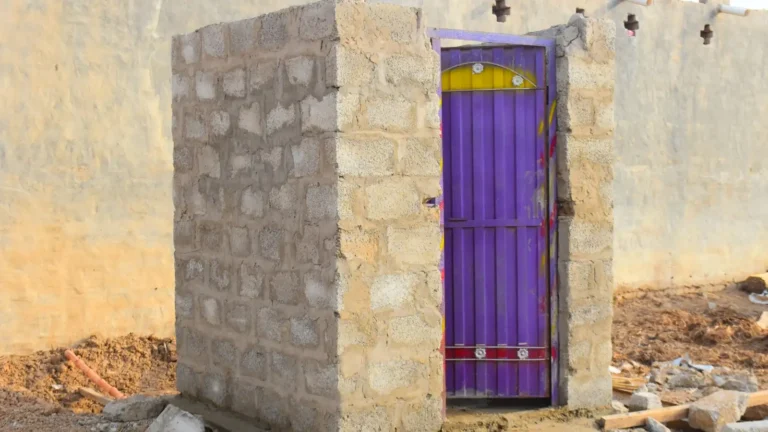
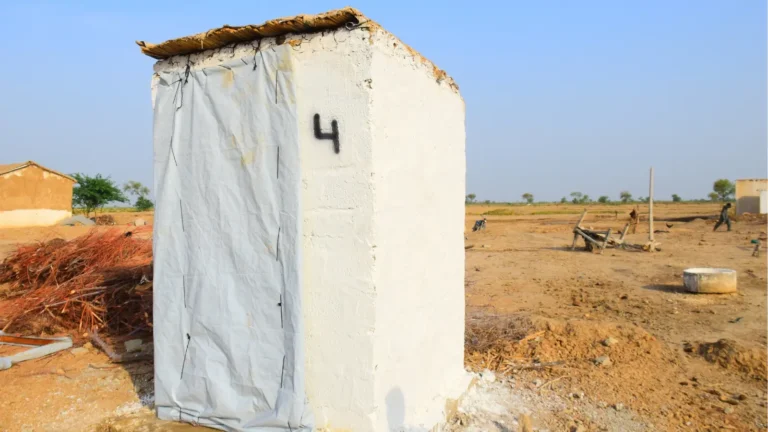
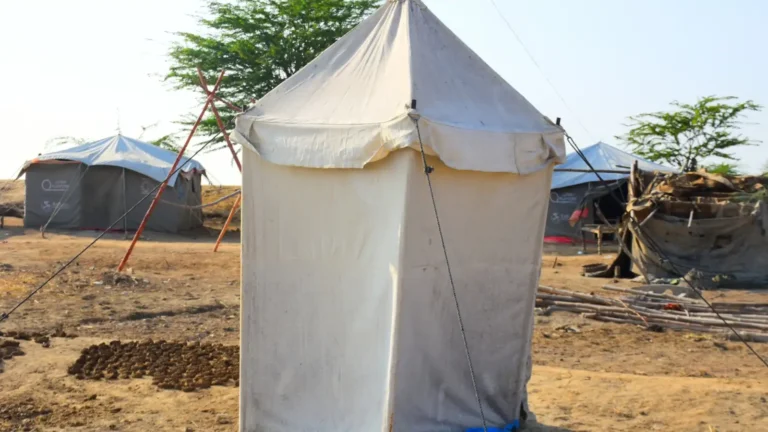
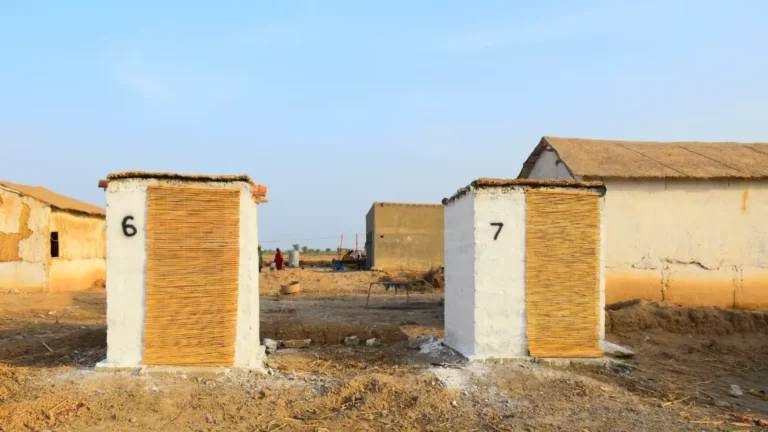
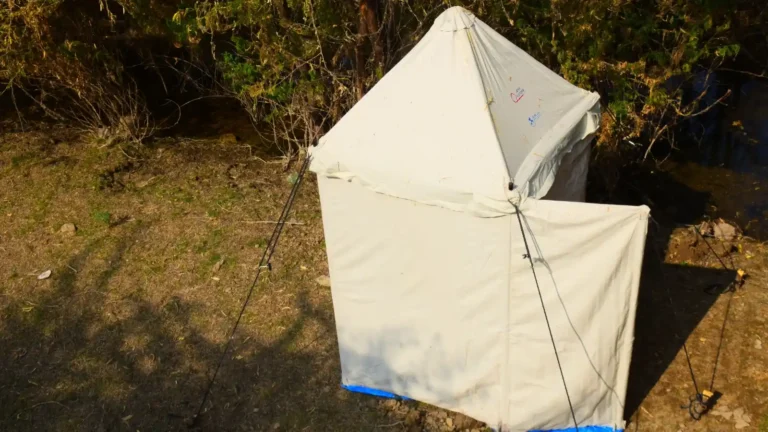
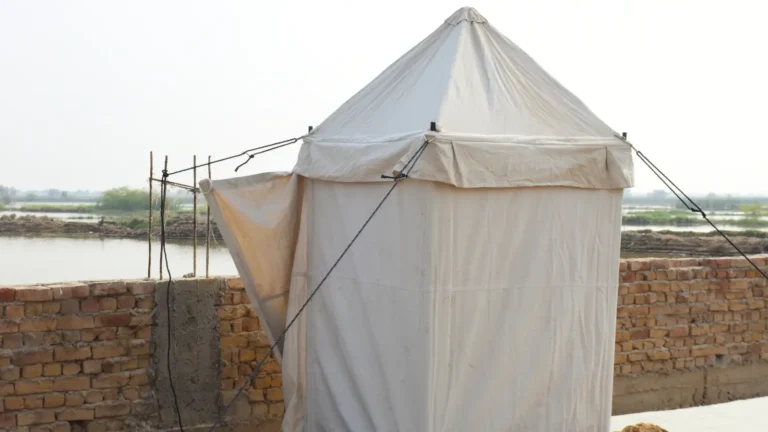
FWA's community-led WASH efforts include providing low-cost latrines in flood-affected areas of Sindh and Baluchistan. These interventions, focused on community and Women's Friendly Toilets, helped combat open defecation and address hygiene-related health challenges. In total, 160 latrines were provided, benefiting 15,000 community members by reducing waterborne diseases and improving sanitation.
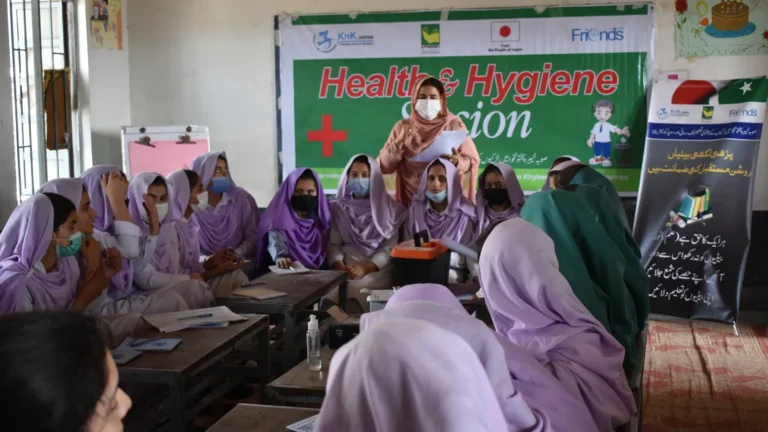
Hygiene Awareness & Behavioral Change
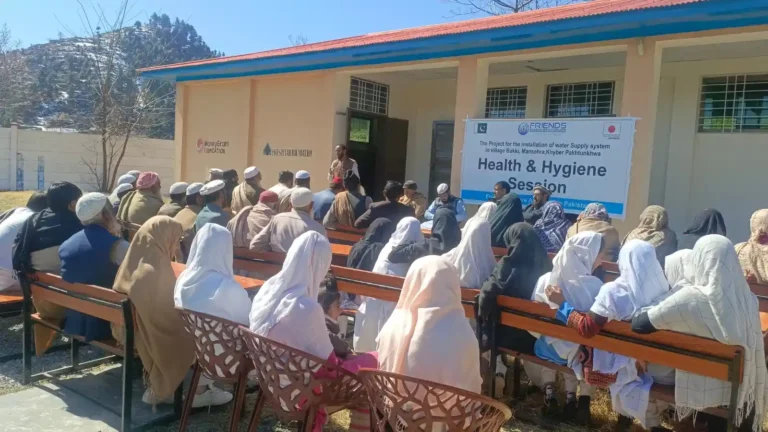
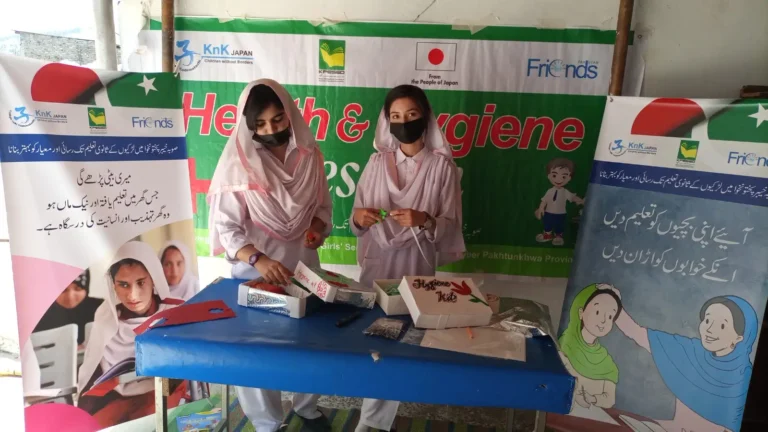
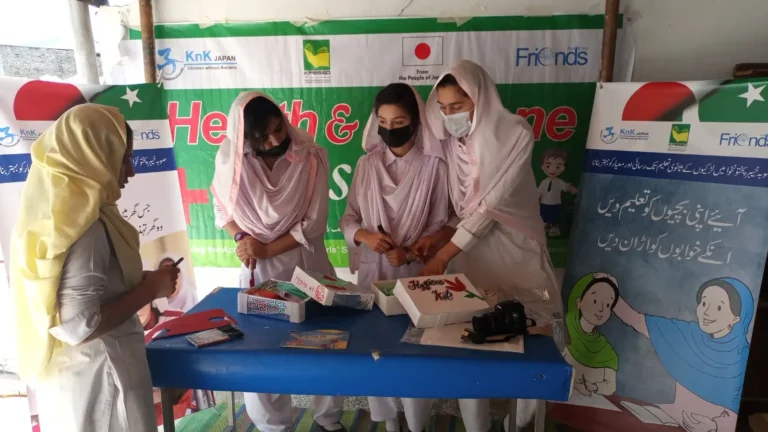
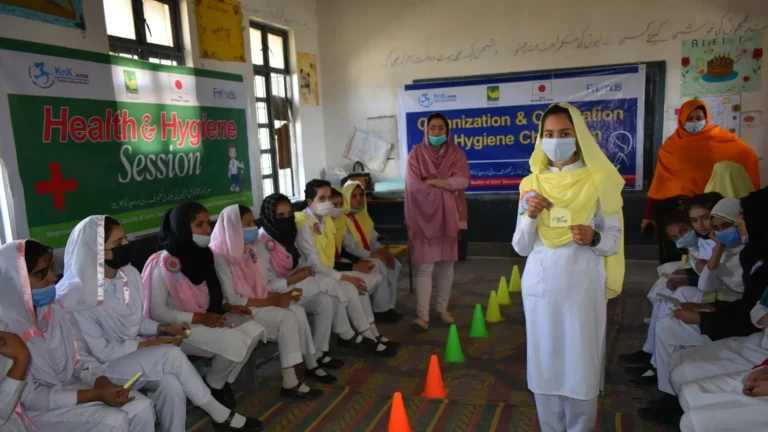
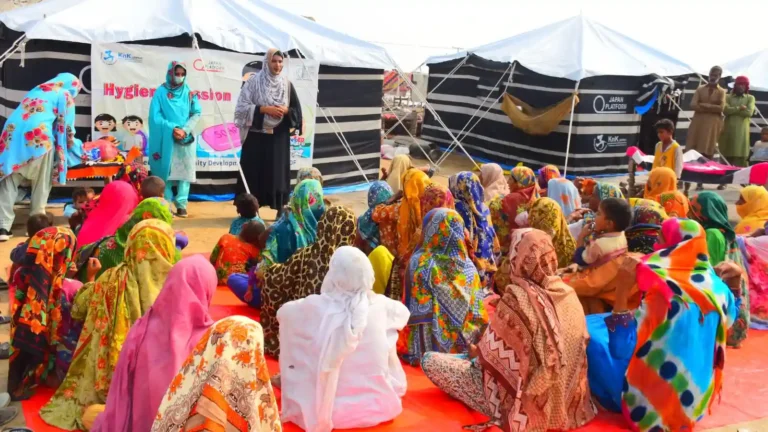
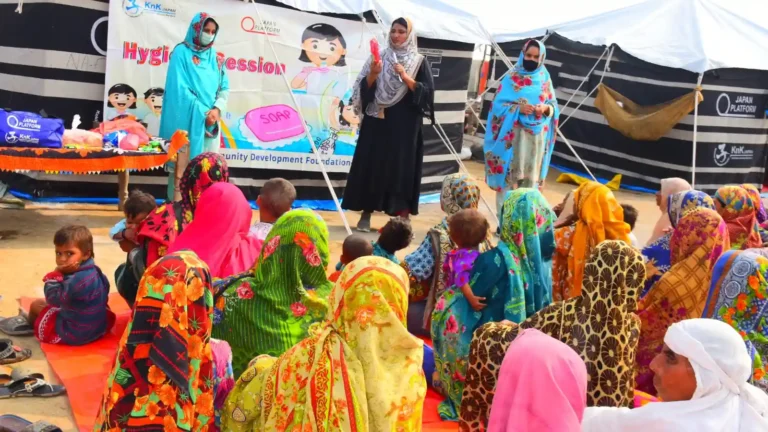
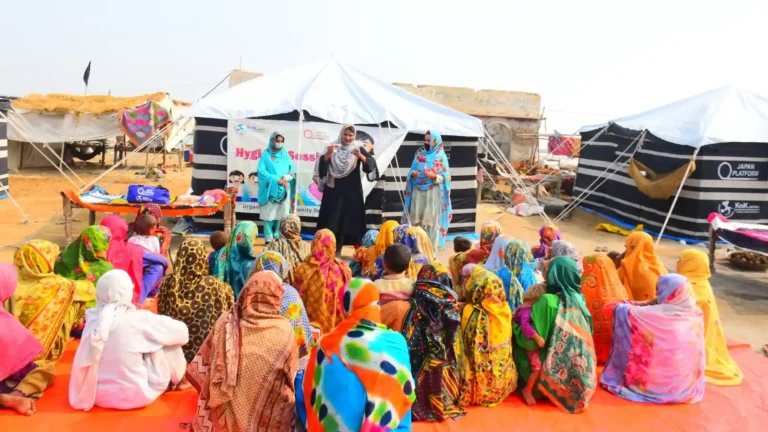
FWA conducted hygiene awareness sessions as part of the Flood Emergency Response Program in Sindh and Baluchistan. These sessions aimed to prevent the spread of waterborne diseases and promote healthy hygiene practices. To date, 12,000 community members have participated, gaining vital knowledge on health and hygiene.
Through its clean water and WASH programs, FWA is empowering communities to lead healthier, more dignified lives while building long-term resilience to water and sanitation challenges.